Navigating Tariffs, Material Inflation & Supply Chain Volatility in 2026
The construction industry is heavily impacted by tariffs, inflation, and supply chain changes. In today's dynamic environment, understanding these...
7 min read
Baldwin CPAs 5/11/26, 9:15 AM

Strategic Tax and Capital Investment Decisions in a Higher-Cost Environment
For many construction companies, equipment investment decisions have become significantly more complicated in recent years. Contractors continue to face pressure to modernize fleets, replace aging machinery, improve productivity, and invest in technologies that support operational efficiency. At the same time, higher borrowing costs, persistent inflation, labor shortages, and evolving tax regulations are reshaping the financial considerations surrounding major capital expenditures.
Historically, many contractors approached equipment acquisitions primarily through the lens of year-end tax planning. While tax incentives remain an important component of the decision-making process, the current economic environment demands a broader and more disciplined strategy. Equipment purchases now carry substantial implications for liquidity, debt management, operational flexibility, and long-term profitability.
In 2026, successful construction companies are increasingly treating equipment planning as a comprehensive financial exercise rather than a reactive tax strategy. Contractors that carefully align capital investments with operational needs, financing capacity, and long-term growth objectives will be better positioned to maintain stability in an increasingly competitive market.
The Construction Equipment Market Remains Challenging
The financial pressures affecting the broader construction industry continue to influence equipment acquisition decisions across every market segment.
Equipment Costs Remain Elevated
The cost of heavy machinery, fleet vehicles, trailers, specialized tools, and construction technology has risen substantially over the past several years. Inflationary pressure affecting steel, manufacturing, transportation, and labor has increased the price of both new and used equipment.
As a result, many contractors are extending replacement cycles longer than originally planned. Equipment that may have been scheduled for replacement several years ago is often remaining in service longer due to elevated acquisition costs.
However, delaying replacement decisions can create additional operational challenges. Aging fleets frequently generate higher repair expenses, increased downtime, reduced fuel efficiency, and lower productivity. In some cases, deferred replacement costs may ultimately outweigh the short-term savings associated with postponing a purchase.
Higher Interest Rates Are Reshaping Financing Decisions
Borrowing costs have also changed the economics surrounding equipment acquisition. Contractors financing equipment purchases today are often facing significantly higher monthly payments than they would have encountered only a few years ago.
This has several important implications:
For growing construction companies, preserving flexibility has become increasingly important. A contractor that aggressively expands its fleet without carefully evaluating long-term cash flow implications may unintentionally create financial strain during periods of slower project activity.
Supply Chain Conditions Continue to Affect Availability
Although supply chain conditions have improved in some sectors, many contractors still encounter delays involving specialty equipment and certain types of heavy machinery. Manufacturers continue managing production bottlenecks, labor constraints, and transportation challenges that can extend delivery timelines.
As a result, contractors are increasingly planning purchases earlier than in prior years. Companies that wait until equipment is urgently needed may encounter operational disruptions or limited purchasing options.
The challenge, however, is that earlier purchasing decisions also require earlier capital commitments. This places additional importance on accurate forecasting and long-term planning.
Understanding the Current Tax Environment
Tax incentives remain a valuable component of construction equipment planning, but recent legislative changes require contractors to approach these strategies more carefully.
Bonus Depreciation Is Continuing to Phase Down
For several years, bonus depreciation created substantial opportunities for contractors to accelerate deductions associated with equipment purchases. Under prior rules, businesses could often deduct the full cost of qualifying equipment in the year the asset was placed into service.
However, bonus depreciation percentages are continuing to phase down. While the deduction remains significant, contractors can no longer assume that future acquisitions will generate the same level of immediate tax benefit available in prior years.
This shift is causing many companies to reevaluate the timing of planned purchases. In some situations, accelerating purchases into earlier tax years may still provide meaningful advantages. In others, contractors may determine that preserving liquidity outweighs the value of immediate deductions.
Importantly, tax savings alone should not drive acquisition decisions. Purchasing unnecessary equipment simply to reduce taxable income rarely produces long-term financial value.
Section 179 Remains a Valuable Tool
Despite changes to bonus depreciation, Section 179 continues to offer meaningful planning opportunities for qualifying contractors.
Unlike bonus depreciation, Section 179 allows businesses to selectively expense specific assets rather than applying deductions uniformly across an entire asset class. This flexibility can be particularly useful for construction companies seeking to manage taxable income strategically.
However, Section 179 deductions are subject to annual limitations and taxable income restrictions. Contractors must also consider how state tax rules differ from federal treatment.
For many construction companies, the most effective strategy involves coordinating both Section 179 and bonus depreciation provisions as part of a broader tax and cash flow plan.
State-Level Tax Treatment Requires Attention
Contractors often focus heavily on federal tax implications while overlooking important state-level considerations. In many cases, state depreciation rules do not fully conform to federal regulations.
Kentucky contractors should evaluate how equipment acquisitions affect both federal and state taxable income projections. Differences between federal and state depreciation treatment can influence estimated tax payments, cash flow planning, and year-end financial projections.
Because depreciation rules continue to evolve, proactive communication with tax advisors remains essential.
Equipment Purchases Should Support Strategic Objectives
Construction companies should approach equipment acquisition decisions through a broader operational and financial lens rather than focusing solely on tax deductions.
Before committing to major purchases, leadership teams should evaluate several key questions:
Operational Evaluation Checklist
Productivity and Efficiency
Utilization Analysis
Financial Considerations
Strategic Alignment
Construction companies that fail to ask these questions often make purchasing decisions reactively rather than strategically.
Lease Versus Buy Decisions Deserve Fresh Analysis
The traditional assumption that ownership is always preferable has become less clear in today’s economic environment.
Ownership Still Offers Meaningful Advantages
Purchasing equipment outright or through long-term financing can provide:
For contractors with strong utilization rates and stable project pipelines, ownership may still represent the most cost-effective long-term strategy.
Leasing Has Become More Attractive for Some Contractors
Leasing arrangements have gained renewed attention as contractors seek to preserve liquidity and maintain flexibility.
In certain situations, leasing may provide:
Leasing can also help contractors avoid being locked into equipment that may become obsolete more quickly due to technological advancements.
The Decision Is Increasingly Financial Rather Than Philosophical
Rather than viewing leasing and ownership as ideological preferences, contractors should evaluate both options through detailed financial analysis.
Important considerations include:
The most effective decision is often the one that aligns most closely with long-term operational strategy and financial stability.
Tax Savings Do Not Eliminate Cash Flow Risk
One of the most common misconceptions surrounding equipment purchases is the belief that tax deductions meaningfully offset the financial burden of acquisition.
While depreciation deductions can reduce taxable income, they do not eliminate the underlying cash outflow associated with purchasing equipment. A contractor may still experience liquidity strain even after realizing substantial tax savings.
This distinction is particularly important during periods of economic uncertainty.
Contractors Should Prioritize Liquidity
Before making major capital investments, contractors should carefully evaluate:
Financial flexibility remains one of the most valuable assets construction companies can maintain in volatile markets.
Financial Health Checklist Before Purchasing Equipment
Liquidity Review
Operational Review
Reporting Review
Construction companies that evaluate these issues proactively are generally better positioned to avoid unnecessary financial strain.
Technology Investments Are Reshaping Equipment Strategy
Modern equipment planning increasingly extends beyond traditional fleet purchases. Contractors are investing heavily in technologies that improve operational visibility, efficiency, and project management.
Telematics and Equipment Tracking Continue to Expand
GPS tracking systems, utilization monitoring tools, and predictive maintenance technologies are helping contractors improve fleet management and reduce unnecessary operating costs.
These systems can provide valuable insights regarding:
Improved visibility often allows contractors to optimize fleet size and reduce unnecessary capital expenditures.
Automation and Labor Efficiency Tools Are Growing Priorities
Labor shortages continue to drive investment in technologies that improve workforce efficiency. Contractors are increasingly evaluating equipment and software solutions that reduce dependency on manual labor or streamline project coordination.
Examples include:
However, financial leaders should carefully evaluate return on investment before pursuing emerging technologies. Not every innovation produces meaningful operational value.
Common Mistakes Contractors Should Avoid
Despite the availability of valuable tax incentives, contractors frequently make avoidable equipment planning mistakes.
Common Pitfalls Include:
Many of these mistakes stem from short-term thinking rather than comprehensive financial analysis.
Strategic Planning Before Year-End
Contractors should begin evaluating equipment strategies well before year-end deadlines approach. Waiting until the final weeks of the year often leads to rushed decisions that may not align with long-term business objectives.
Practical Steps Contractors Can Take Now
Review Fleet Performance
Coordinate With Advisors Early
Stress-Test Financial Assumptions
Align Purchases With Long-Term Strategy
Early planning generally produces stronger financial outcomes and reduces the likelihood of reactive decision-making.
Conclusion
Equipment acquisition decisions have become significantly more complex for construction companies operating in today’s economic environment. Rising equipment costs, elevated interest rates, evolving tax regulations, and ongoing operational pressures require contractors to approach capital investment decisions with greater discipline and strategic focus.
Although Section 179 and bonus depreciation continue to provide valuable tax planning opportunities, these incentives should function as part of a broader financial strategy rather than the primary motivation for acquisition decisions.
Construction companies that integrate tax planning, operational forecasting, financing analysis, and cash flow management into their equipment strategies will be better positioned to maintain profitability and long-term stability. In a market defined by uncertainty and rising costs, thoughtful planning remains one of the most important competitive advantages a contractor can possess. Let's discuss how Baldwin CPAs can support your construction company's goals.
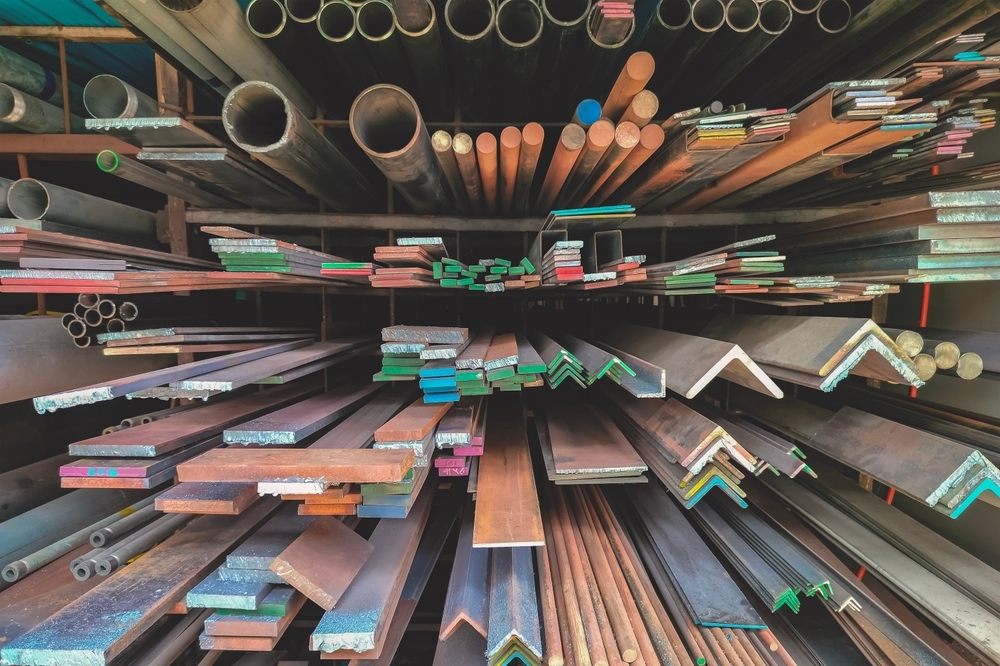
The construction industry is heavily impacted by tariffs, inflation, and supply chain changes. In today's dynamic environment, understanding these...
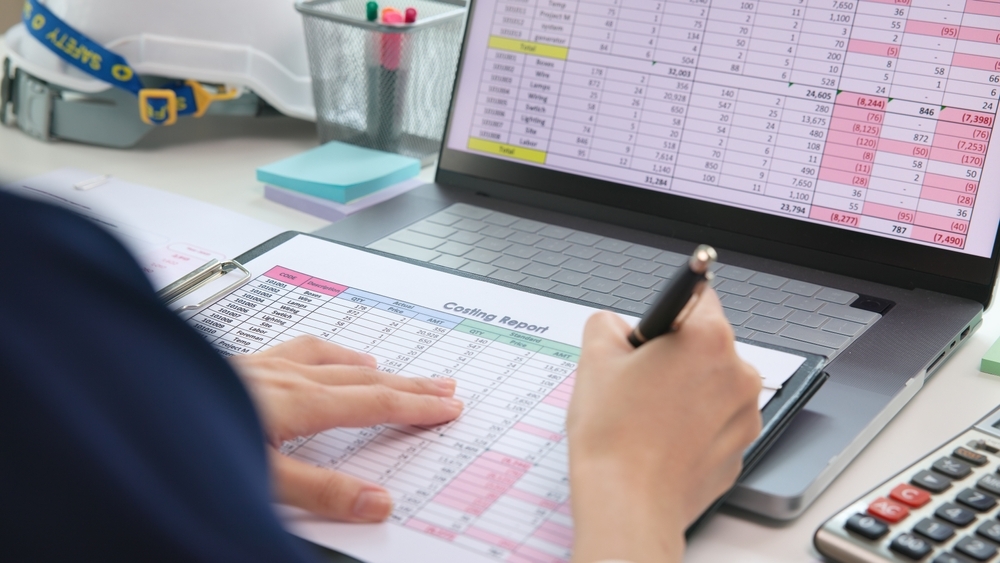
Start 2026 with stronger margins. Learn job costing best practices from a Kentucky CPA firm specializing in construction accounting and contractor...

With so many projects in the field, keeping track of everything that occurred yesterday can become a challenge. Learn why daily construction reports...