The Construction Industry Labor Update
The labor market for the construction industry has been largely impacted by the COVID-19 pandemic. Take a deeper look at where it is growing most in...
6 min read
Baldwin CPAs 5/20/26, 9:00 AM

How Construction Companies Can Protect Margins in an Uncertain Economic Environment
The construction industry has always operated within cycles of economic fluctuation. However, the current environment presents a level of cost instability that many contractors have not experienced in decades. Material inflation, renewed tariff pressures, labor shortages, elevated borrowing costs, and ongoing supply chain disruptions are creating significant uncertainty across nearly every segment of the industry. For construction company owners and financial leaders, protecting profitability now requires a more disciplined and proactive approach to financial management than ever before.
While many economic forecasts anticipated stabilization following the volatility of recent years, 2026 has instead brought continued unpredictability. Contractors are facing rising input costs, inconsistent delivery timelines, and increasing pressure from project owners to maintain competitive pricing. These challenges are particularly difficult for companies operating under fixed-price contracts, where even modest increases in material or labor costs can substantially erode expected margins.
In this environment, financial visibility and operational flexibility have become critical competitive advantages. Construction companies that strengthen forecasting practices, improve contract protections, and closely monitor project performance will be better positioned to sustain profitability despite continued market volatility.
The Economic Forces Reshaping Construction Costs
Several interconnected factors are contributing to the ongoing financial pressure facing contractors in 2026.
Tariff Activity Continues to Influence Material Pricing
Global trade policy remains a significant source of uncertainty for the construction industry. Tariffs affecting imported steel, aluminum, electrical components, manufactured equipment, and specialty products continue to impact procurement costs throughout the supply chain. Even when contractors do not purchase materials directly from international suppliers, domestic manufacturers often adjust pricing in response to global market pressures.
For many contractors, the result is reduced pricing predictability during both the bidding and execution phases of projects. Materials that were accurately estimated at the time of bid submission may increase significantly before procurement occurs. In longer-duration projects, these increases can materially reduce anticipated profitability.
Additionally, subcontractors and vendors are increasingly building pricing contingencies into their proposals to offset their own uncertainty. This creates a compounding effect that ultimately increases total project costs across the market.
Material Inflation Has Become More Structural Than Temporary
Although inflation rates have moderated compared to recent peaks, many construction-related materials continue to experience elevated pricing pressure. Contractors are still encountering volatility in concrete products, electrical equipment, mechanical systems, fabricated steel, and fuel-related transportation costs.
Importantly, many economists now view portions of this inflation as structural rather than temporary. Higher labor costs, increased regulatory burdens, transportation challenges, and energy expenses are contributing to a pricing environment that may remain elevated for the foreseeable future.
This reality requires construction companies to reevaluate assumptions that previously guided bidding, forecasting, and project management decisions. Historical pricing trends may no longer provide a reliable basis for estimating future costs.
Supply Chain Challenges Remain Persistent
Supply chain disruption has evolved from a temporary operational inconvenience into an ongoing business management issue. Lead times for critical materials and specialized equipment continue to fluctuate unpredictably. Delays involving switchgear, HVAC systems, transformers, fabricated components, and other specialty items are still affecting project schedules nationwide.
These delays create significant downstream consequences for contractors. Extended schedules increase overhead costs, disrupt labor planning, delay billing opportunities, and strain cash flow. In some cases, contractors may also face liquidated damages or strained client relationships when project timelines cannot be maintained.
For contractors operating with limited working capital or thin margins, prolonged project delays can create substantial financial stress.
The Direct Impact on Contractor Profitability
The financial implications of these economic pressures extend well beyond higher material invoices. Volatility affects nearly every aspect of a construction company’s operations and financial performance.
Fixed-Price Contracts Present Elevated Risk
Many contractors continue to operate under fixed-price or guaranteed maximum price agreements that provide limited flexibility when costs increase unexpectedly. Under these structures, contractors often bear the financial burden of rising material and labor costs once contracts are executed.
This risk becomes particularly severe in projects with extended durations. A project estimated six or nine months before major procurement activity may encounter substantially different pricing conditions by the time materials are ordered. Without appropriate contractual protections, contractors may have little ability to recover those increased costs.
Even relatively modest cost increases can significantly compress margins. In an industry where net profitability is often measured in single digits, unanticipated pricing changes can quickly turn otherwise successful projects into financial liabilities.
Cash Flow Pressures Are Intensifying
Volatile pricing and delayed schedules also place increasing strain on working capital. Contractors may be required to purchase materials earlier than planned to secure pricing or availability. At the same time, slower project progress can delay billing milestones and retainage recovery.
The result is often increased borrowing needs and higher interest expense. Elevated interest rates further compound the issue, particularly for contractors relying heavily on lines of credit to finance operations.
Maintaining liquidity has become a strategic priority rather than simply an accounting concern. Companies that lack accurate cash flow forecasting may find themselves reacting to financial challenges instead of proactively managing them.
Smaller Contractors Face Greater Exposure
While large national firms may possess greater purchasing leverage and financial reserves, small and mid-sized contractors often face greater vulnerability during periods of instability. Limited supplier relationships, reduced negotiating power, and tighter liquidity can make it more difficult to absorb sudden increases in cost.
Additionally, smaller organizations may lack the internal financial infrastructure needed to identify margin deterioration early enough to implement corrective action. This increases the importance of accurate reporting, disciplined forecasting, and proactive financial oversight.
Contractual Strategies to Reduce Financial Exposure
Although contractors cannot control global economic conditions, they can take steps to reduce their financial exposure through stronger contract management practices.
Escalation Clauses Are Becoming Increasingly Important
Escalation clauses have become a critical tool for managing pricing uncertainty. These provisions allow contractors to adjust pricing under specific circumstances when material costs rise beyond agreed-upon thresholds.
Historically, many project owners resisted escalation language. However, the volatility experienced across the construction industry in recent years has made these provisions more common and increasingly acceptable in certain sectors.
Well-structured escalation clauses should clearly define:
Although escalation clauses may not eliminate all pricing risk, they can provide meaningful protection against severe cost fluctuations.
Contractors Should Reevaluate Bid Assumptions
Construction companies should also reconsider how long estimates remain valid in volatile markets. Shorter bid validity periods may help reduce exposure to sudden pricing changes. In some cases, contractors may also need to include additional contingencies within estimates to account for uncertainty.
Close coordination with suppliers before finalizing bids has become increasingly important. Confirming material availability, lead times, and pricing commitments can reduce the likelihood of unexpected cost increases later in the project lifecycle.
Supplier Diversification Reduces Operational Risk
Relying too heavily on a single vendor or subcontractor can create additional vulnerability during periods of disruption. Contractors should evaluate whether alternative sourcing strategies could improve flexibility and reduce procurement risk.
Financial stability within the subcontractor base also warrants increased attention. Economic pressure can create cash flow difficulties for vendors and subcontractors, which may ultimately impact project performance and scheduling.
Financial Management Practices That Improve Resilience
Operational discipline alone is insufficient in the current environment. Strong financial management practices are essential for maintaining stability and protecting margins.
Rolling Cash Flow Forecasting Is Essential
Static annual budgets are no longer adequate in highly volatile markets. Contractors should instead utilize rolling cash flow forecasts that are updated regularly as conditions change.
Effective forecasting allows leadership teams to:
Forecasting should incorporate both best-case and worst-case assumptions regarding material pricing, labor availability, project delays, and collection timing.
Accurate Work-in-Progress Reporting Matters More Than Ever
Reliable work-in-progress reporting is critical during periods of economic instability. Inaccurate WIP schedules can mask declining profitability until financial problems become severe.
Contractors should carefully monitor:
Timely reporting enables management teams to identify deteriorating project performance early enough to implement corrective action.
Scenario Planning Improves Decision-Making
Construction companies should also develop contingency plans for multiple economic outcomes. Leadership teams that proactively evaluate potential risks are generally better prepared to respond quickly when conditions change.
Scenario planning may include:
The goal is not to predict every economic shift precisely. Rather, it is to improve organizational flexibility and preparedness.
Technology Is Becoming a Competitive Advantage
Technology investments are increasingly helping contractors improve financial visibility and operational responsiveness.
Real-Time Job Costing Enhances Oversight
Modern project management and accounting systems provide contractors with more timely access to job costing information. Real-time visibility allows management teams to identify unfavorable cost trends before profitability materially deteriorates.
Delayed reporting often limits a contractor’s ability to respond effectively. Faster access to reliable data improves both operational and financial decision-making.
Integrated Systems Improve Procurement Visibility
Integration between procurement, project management, and accounting systems can help contractors monitor purchasing trends more effectively. Enhanced visibility into supplier pricing and material commitments allows for better forecasting and more informed estimating decisions.
Companies that continue relying heavily on manual spreadsheets and fragmented reporting processes may find themselves at a disadvantage in increasingly volatile conditions.
Tax and Accounting Considerations Should Not Be Overlooked
Economic volatility also creates important tax and accounting considerations for construction companies.
Material Purchasing Strategies Carry Tax Implications
Some contractors are purchasing materials earlier than historically necessary to secure pricing or availability. While this approach may reduce procurement risk, it can also affect inventory accounting, cash flow timing, and taxable income recognition.
Contractors should carefully evaluate how purchasing strategies align with broader financial objectives and tax planning initiatives.
Equipment Acquisition Decisions Require Careful Planning
Construction companies continue investing heavily in equipment and fleet modernization. However, elevated borrowing costs and changing depreciation rules require more strategic planning surrounding capital expenditures.
Coordinating equipment purchases with available tax incentives and depreciation opportunities may help improve after-tax cash flow.
Financial Transparency Remains Critical
Lenders, sureties, and project owners continue to place increased emphasis on financial transparency and reporting quality. Contractors that maintain timely and accurate financial information are generally better positioned to secure financing, bonding capacity, and growth opportunities.
Close communication with accounting and advisory professionals can help contractors evaluate emerging risks and identify opportunities for operational improvement.
Conclusion
Volatility has become a defining characteristic of today’s construction environment. Tariffs, material inflation, supply chain instability, and labor pressures are likely to remain ongoing challenges rather than temporary disruptions.
For construction company owners and financial leaders, success increasingly depends on disciplined financial management, proactive forecasting, and strategic operational planning. Contractors that strengthen contract protections, improve reporting accuracy, maintain liquidity visibility, and adapt quickly to changing conditions will be better positioned to preserve profitability in uncertain markets.
Although economic conditions may remain unpredictable, construction companies that prioritize financial discipline and operational flexibility can continue to grow while protecting long-term stability. Start a conversation with Baldwin CPAs today to dive into

The labor market for the construction industry has been largely impacted by the COVID-19 pandemic. Take a deeper look at where it is growing most in...
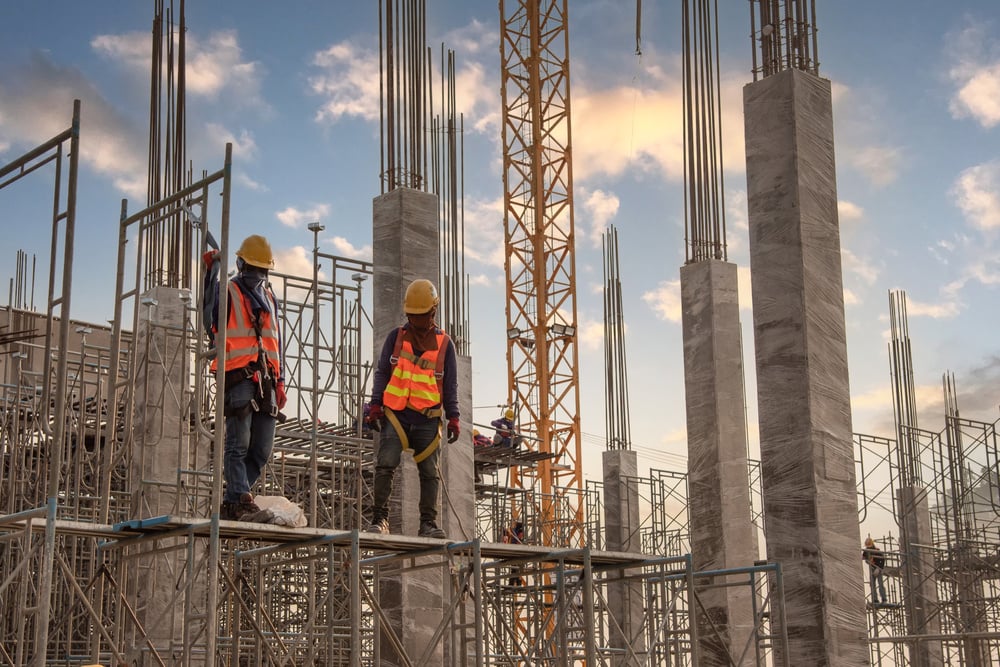
Learn about the causes, impacts, and strategic solutions for the US construction skilled labor shortage.

Explore how artificial intelligence (AI) is revolutionizing the construction industry by integrating machine learning, robotics, and automation. This...